Before we weigh anything, hold two questions apart. First: are the mechanisms Haidt describes plausible? Second: do the population-level data yet prove the causal claim? The honest answer to the first is "yes, quite." The honest answer to the second is "not yet." Most of the confusion in this debate comes from collapsing those two questions into one.
The easy trap here is picking a team. This unit doesn't ask "Is Haidt right or wrong?" — that's the wrong shape of question. It asks "How strong is each kind of evidence, and what would it take to settle this?" A student who can steelman both sides has learned the actual skill. A student who just memorizes "screens bad" has missed the whole point.
The Great Rewiring, stated fairly
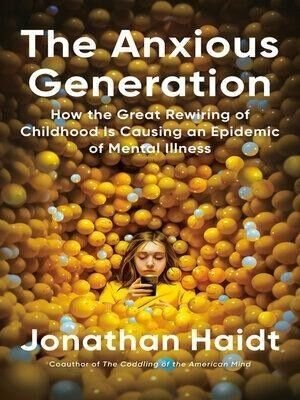
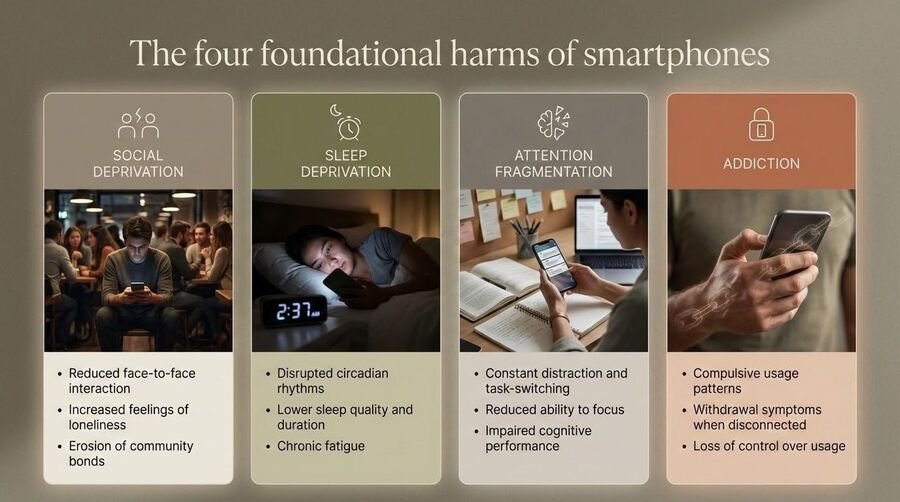
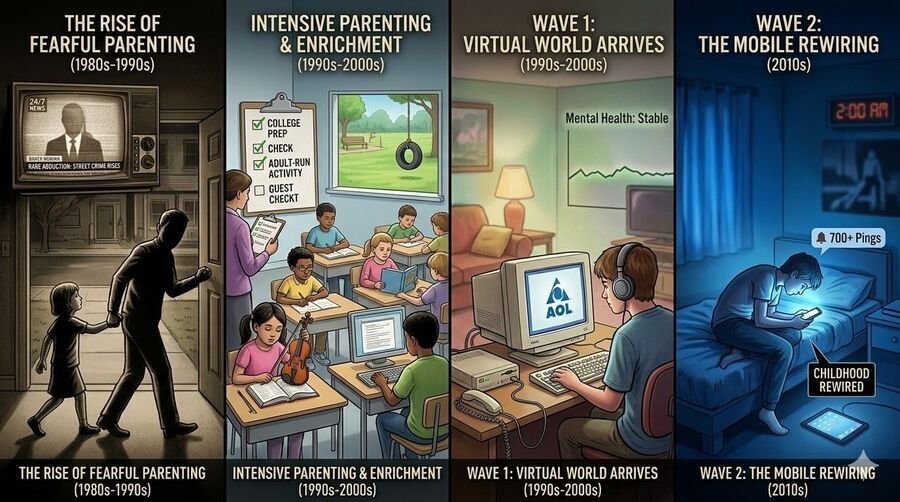
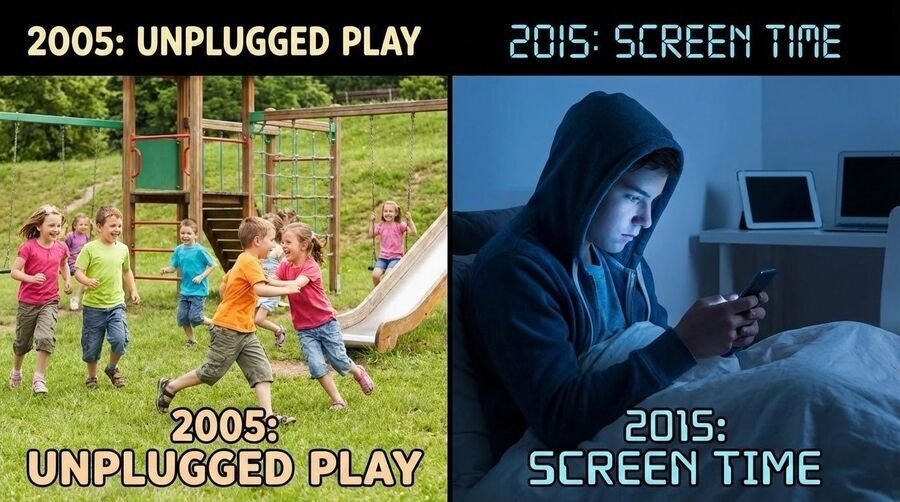
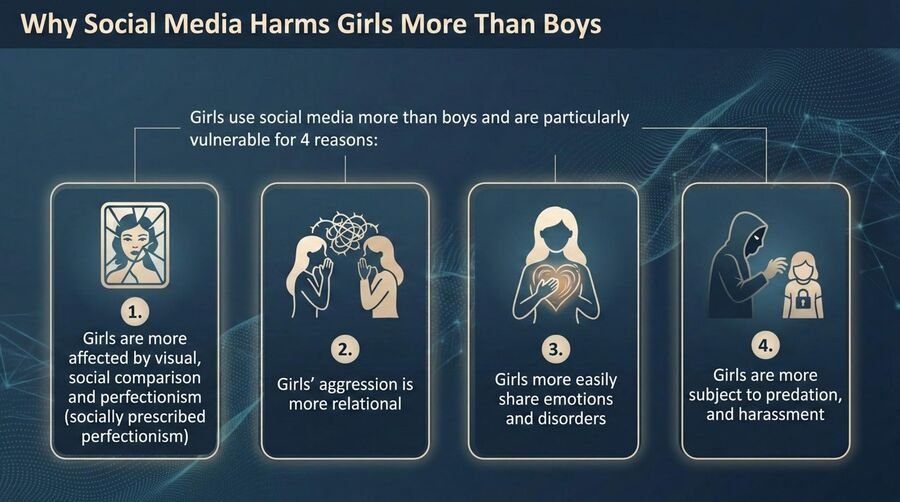
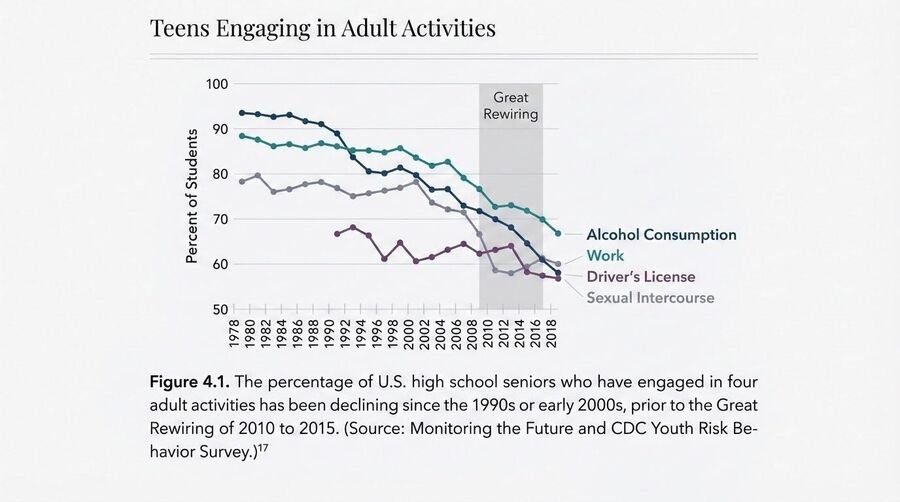
Haidt's The Anxious Generation (2024) argues that between roughly 2010 and 2015, childhood was quietly rebuilt. The iPhone arrived in 2007; the front-facing camera in 2010; by the early 2010s the smartphone plus always-on social platforms had moved from novelty to default. Haidt calls this window the Great Rewiring of Childhood — a shift from a "play-based" childhood to a "phone-based" one. He pins four foundational harms that he argues follow:
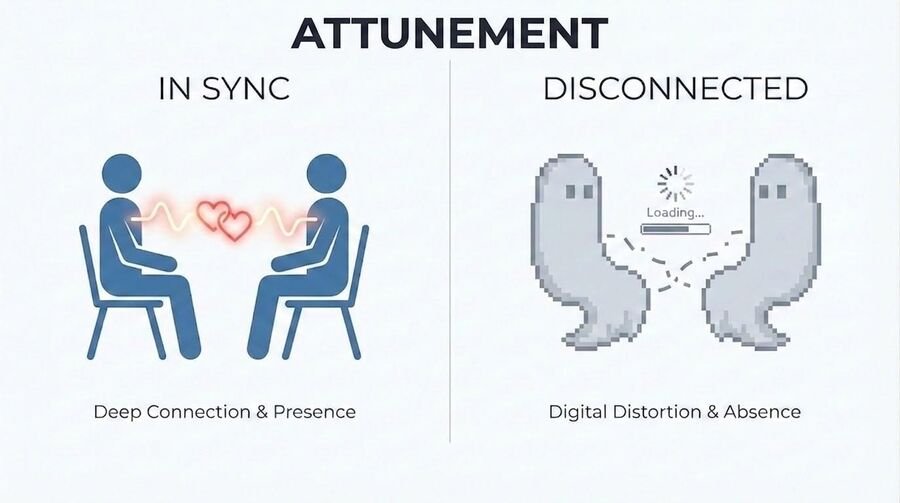
Screen time displaces face-to-face time. If the hours a teen once spent with friends in person now go to a feed, the argument runs, they lose the in-person social nutrition adolescence is built to run on.
Phones in the bedroom push bedtimes later and fragment sleep. Since sleep loss independently harms mood, attention, and emotion regulation, this is one of the more mechanistically defensible links in the whole case.
Notifications and infinite feeds train frequent task-switching. The claim is that a developing attentional system, repeatedly interrupted, gets worse at sustained focus.
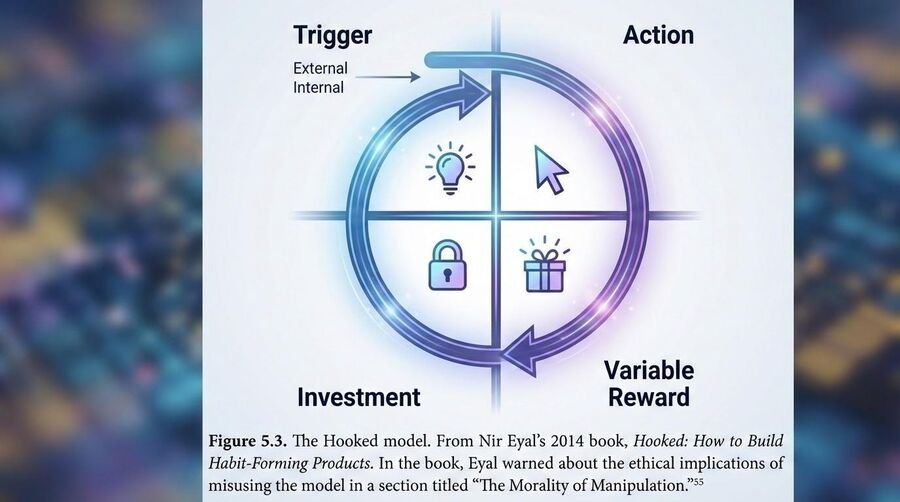
Apps are engineered around variable rewards to maximize time-on-app. Haidt argues this produces compulsive, hard-to-stop use. (Note: "social media addiction" is a contested construct — it is not a diagnosis in the DSM-5-TR.)
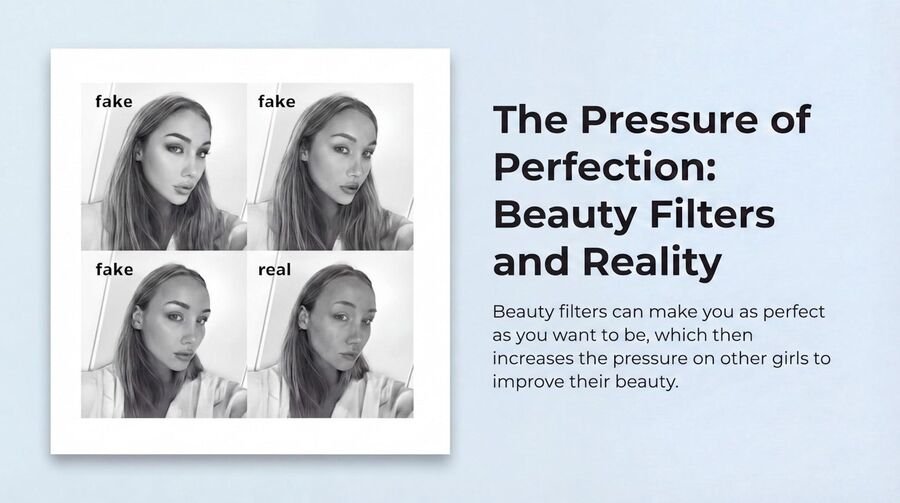
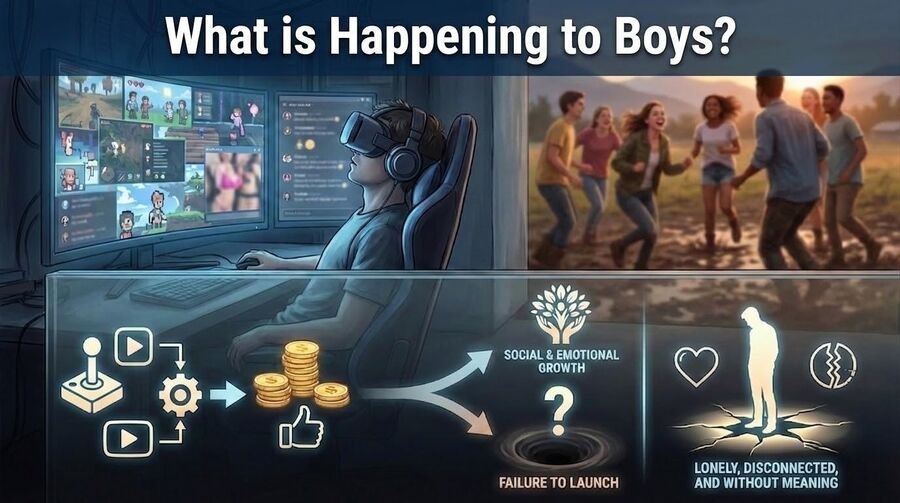
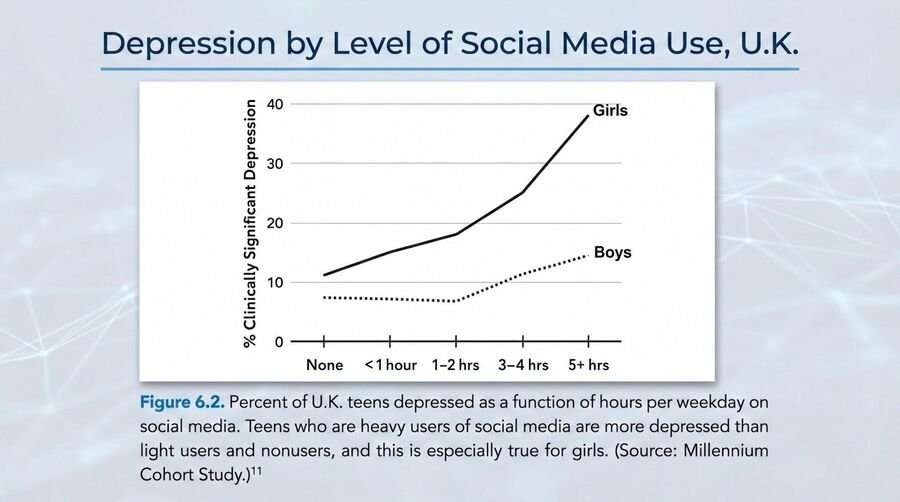
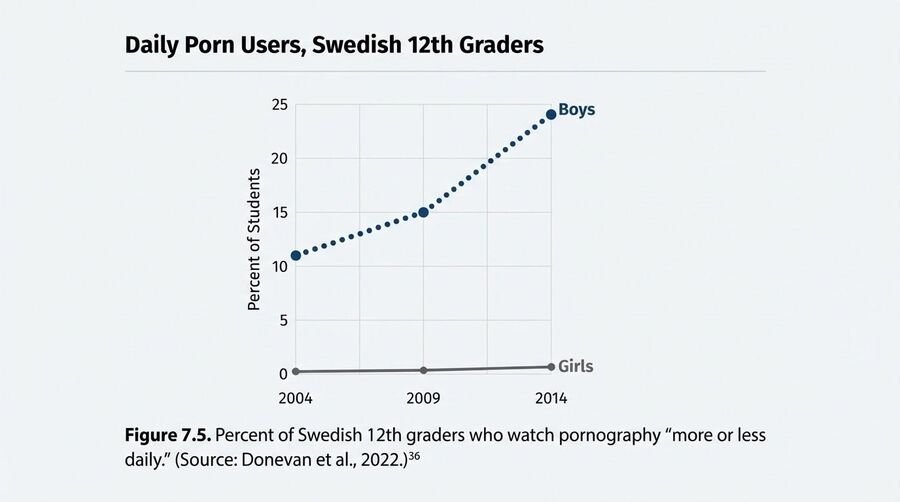
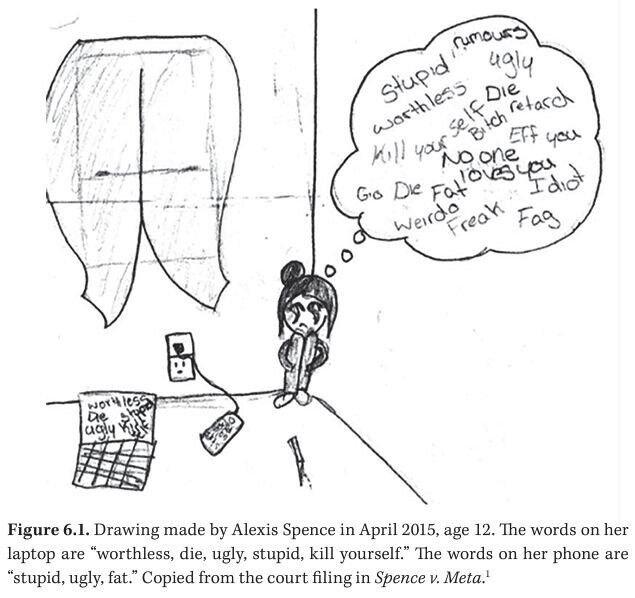
He also argues the harm is gendered: girls, he says, are hit hardest through image-based, comparison-heavy platforms and relational aggression, while boys drift more toward gaming and video, with different costs. Take all of this seriously — these are plausible, testable mechanisms, and several (sleep displacement especially) rest on solid independent science.
Why do feeds feel so hard to put down? Variable-ratio reinforcement. A slot machine rewards you on an unpredictable schedule, and unpredictable rewards are the most compulsion-forming schedule Skinner ever found. Pull-to-refresh is the lever. Instagram doesn't show posts in time order for the same reason a casino has no clocks — engagement is the product, and your attention is what's being sold.
The claim under the claim: correlation vs causation
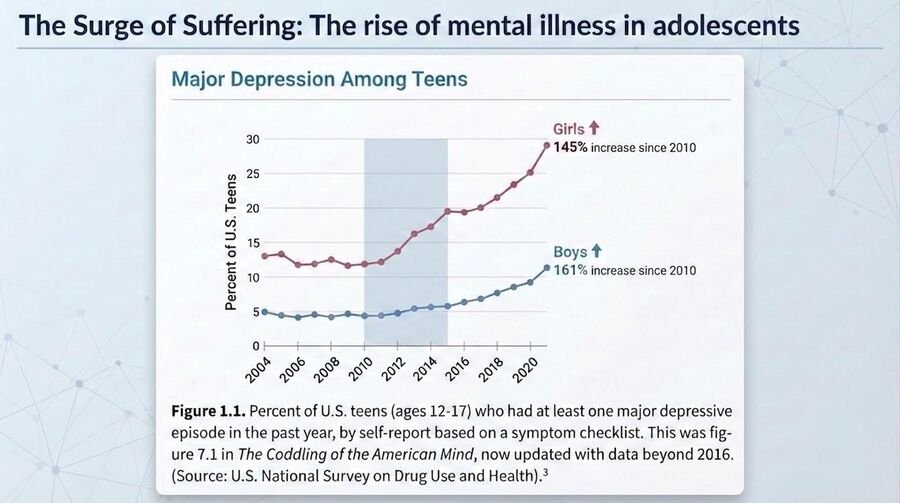
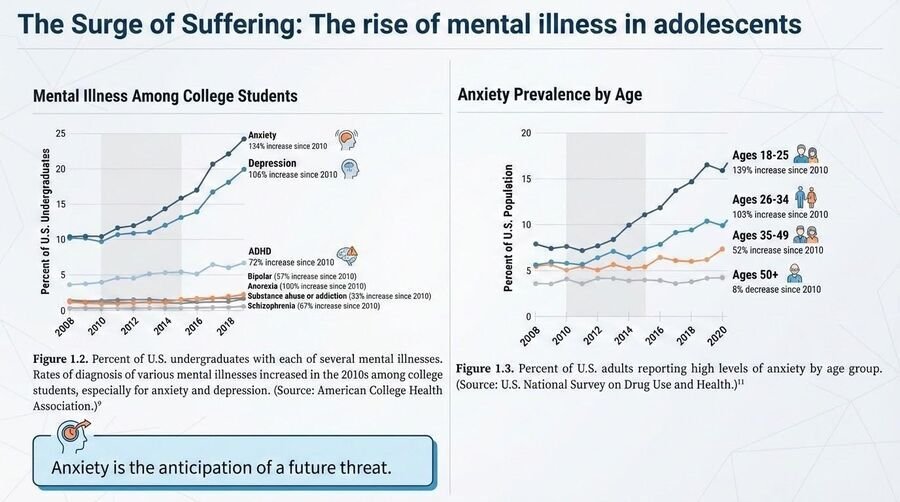
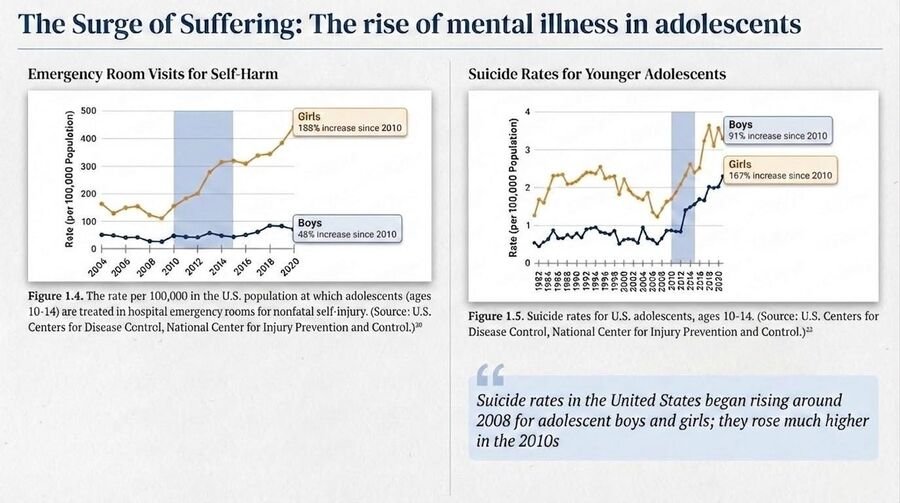
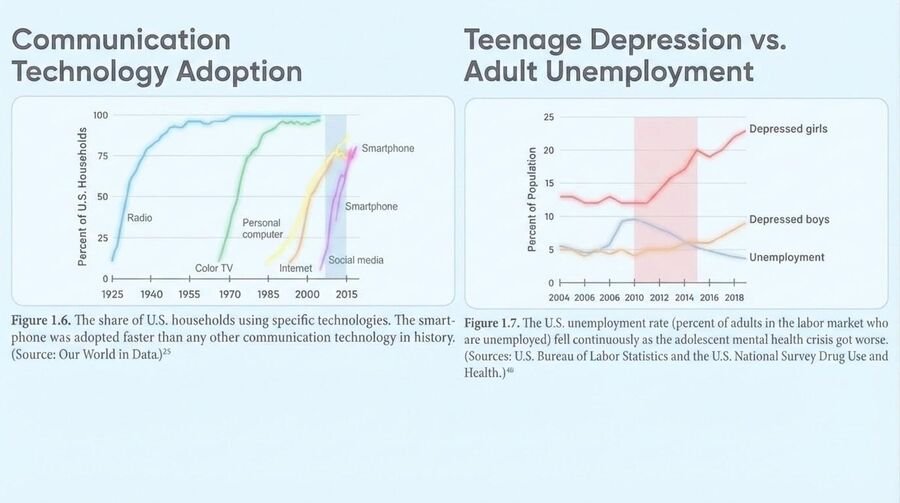
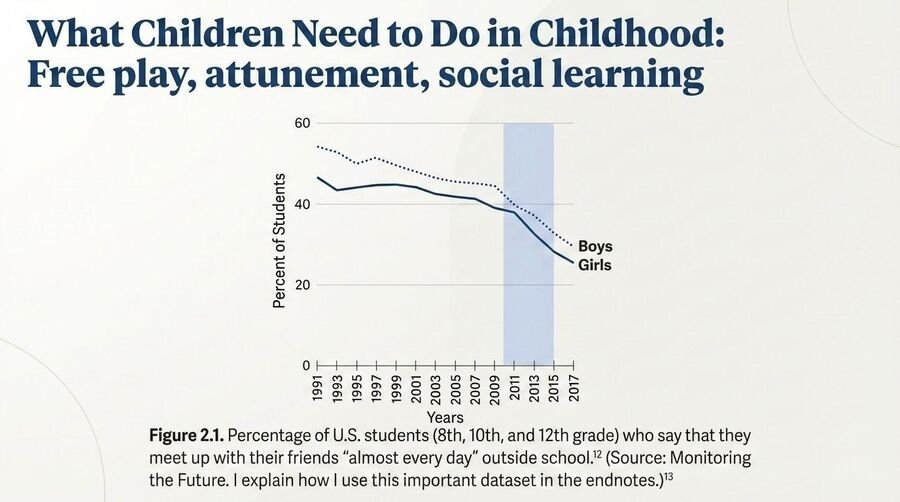
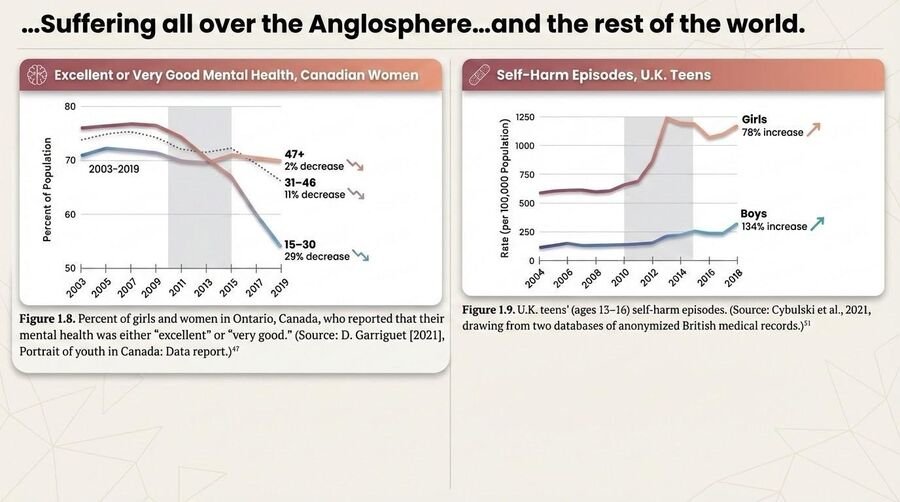
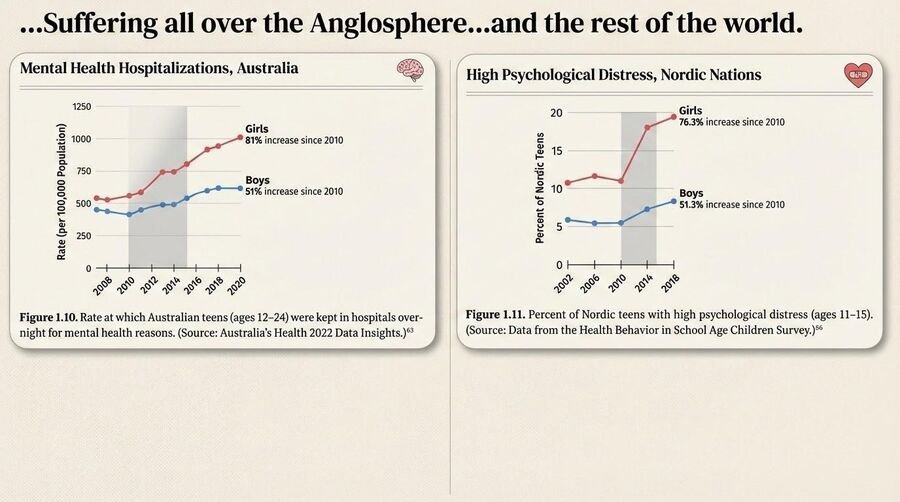
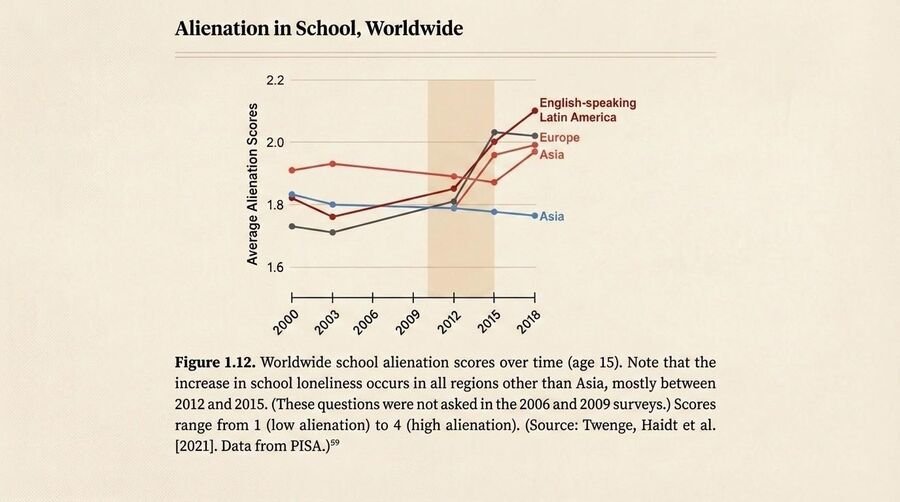
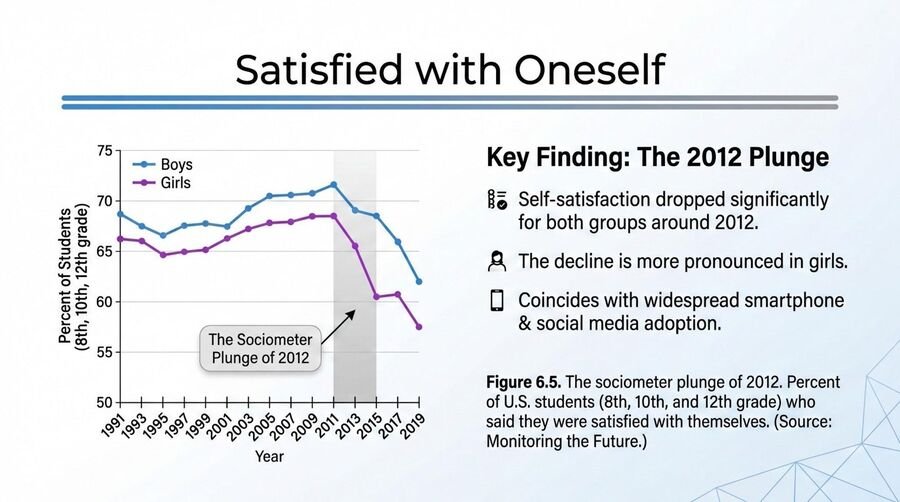
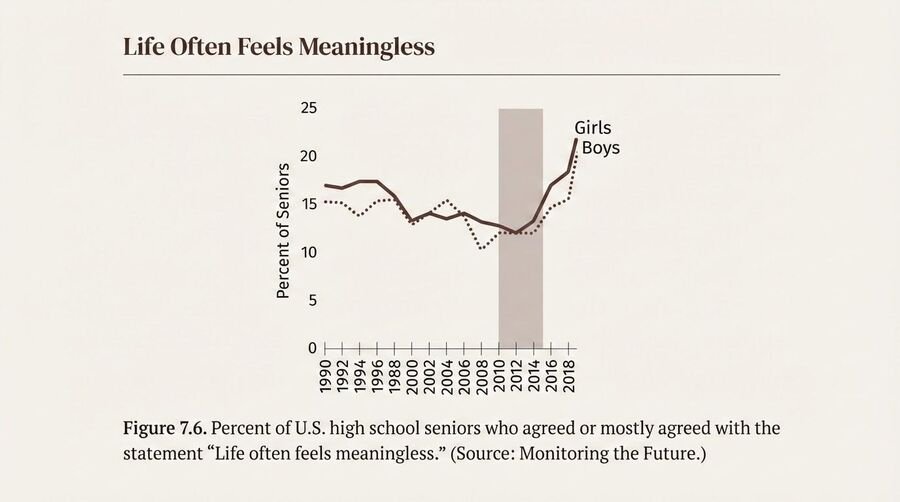
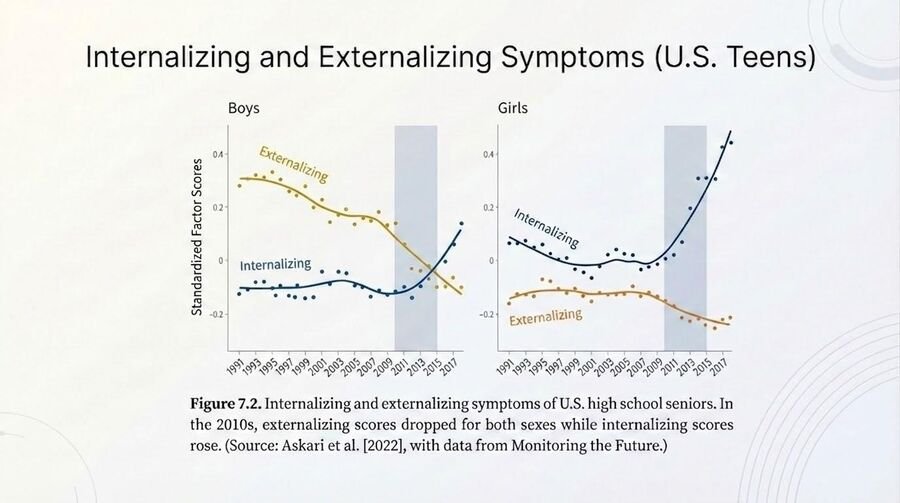
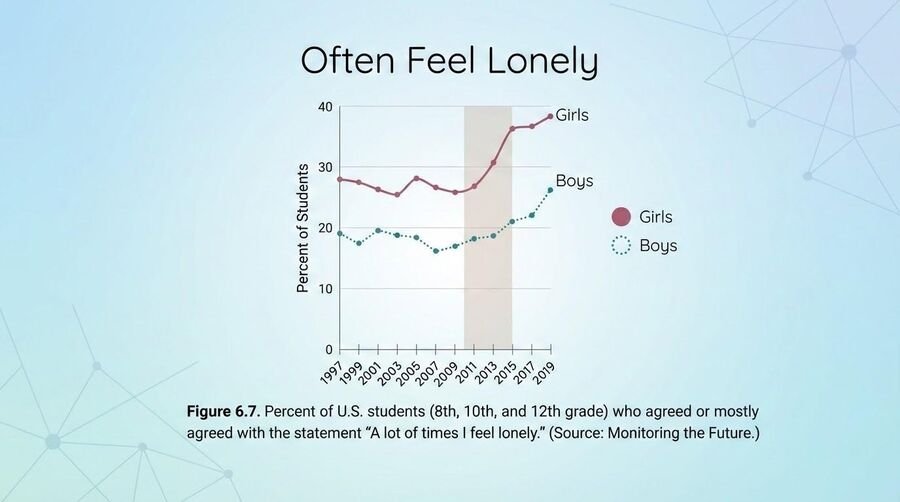
Here is where it's easiest to move fast, and where you should slow down. Haidt's headline evidence is a time-trend: after about 2012, adolescent depression, anxiety, and self-harm indicators rose — and smartphone adoption rose alongside them. Two lines climbing together is genuinely suggestive. But "suggestive" is not "proven," and the reasons are exactly the reasons this course exists.
Two trend lines that rise together do not establish that one caused the other. Before you accept the causal reading, a careful scientist has to rule out at least three rivals:
1 · Reverse causation. Maybe distress drives use, not the other way around. Anxious, isolated teens may reach for their phones more — the phone as symptom, not cause. Candice Odgers (2020, in a Nature review) argues the evidence is weak and inconsistent and that causation may well run this direction.
2 · Third variables. The 2010s also brought the aftershocks of the 2008 recession and economic precarity, rising academic pressure, sleep loss from many sources, and — crucially — changing help-seeking and diagnostic norms. If teens (and clinicians) got more willing to name and report anxiety and depression, some of the "increase" is better detection, not more illness.
3 · The ecological fallacy. Aligning two population-level trends and inferring something about individuals is a classic trap. Nations, years, and averages can move together for reasons that have nothing to do with any individual teen's phone.
None of this proves Haidt wrong. It shows why his strongest evidence — the correlation — cannot, by itself, close the case.
Watch the phrase "up 131%." A relative jump like that can be huge in percentage terms and still be small in absolute terms if the starting rate was low — say, from a few percent to a somewhat larger few percent. Both facts are true at once, and honest writing reports both. Meanwhile the skeptics' correlations point the other way: they're statistically detectable but very small. "Detectable" and "large" are not synonyms. Hold onto that and you'll read this entire literature more clearly than most journalists do.
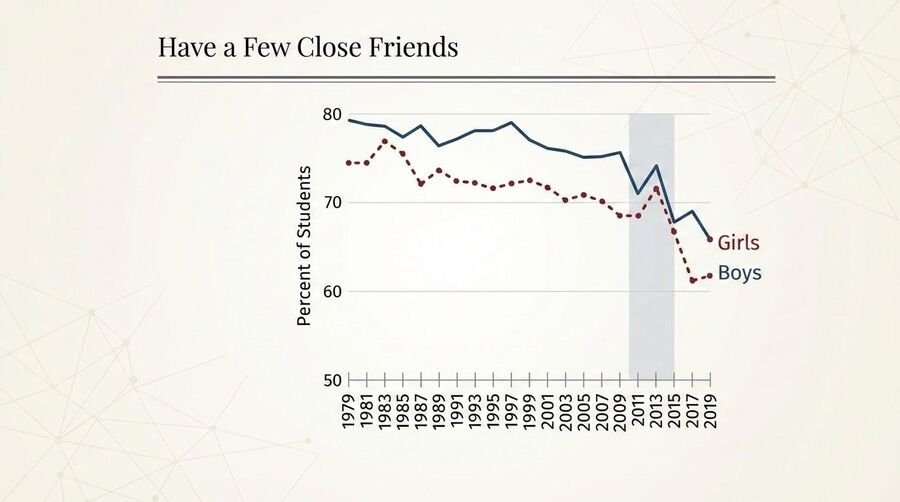
The Monitoring the Future indicators, one by one
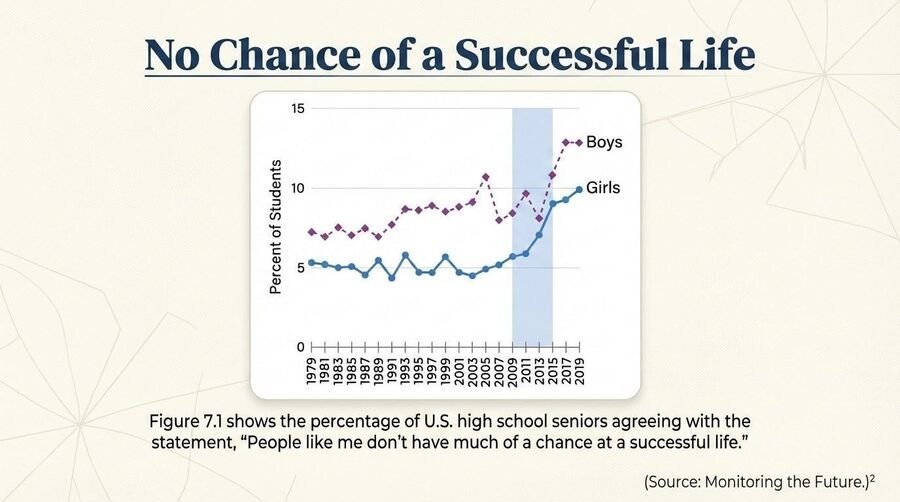
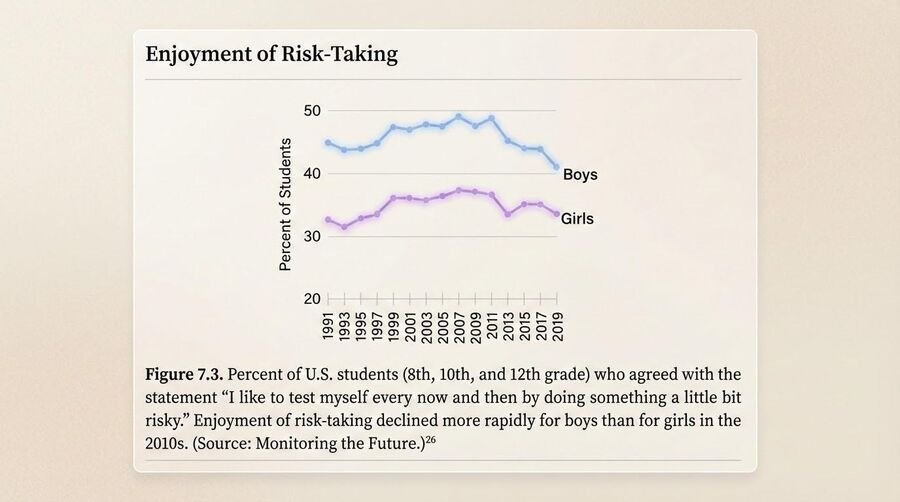
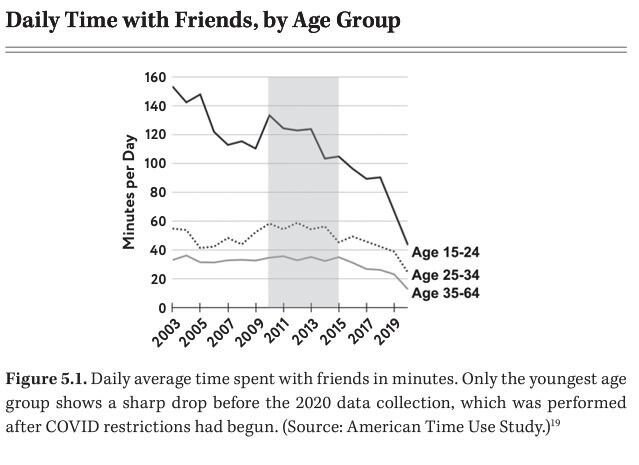
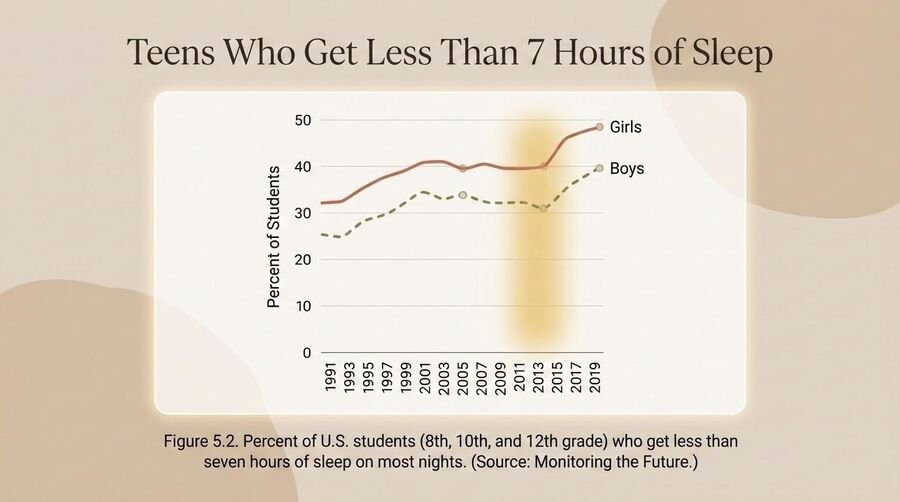
Interactive · Weigh the evidence
The tribunal
Here are six real findings from this literature. Read each one, decide which way it pushes, and move the meter. Some support the causal story; some argue the effect is tiny, reversed, or unproven. There's no trick — the point is to feel how a genuinely contested question is built out of evidence that pulls in both directions.
After about 2012, U.S. teen depression, anxiety, and self-harm indicators rose, and smartphone/social-media adoption rose alongside them (Twenge and colleagues). The two curves track each other strikingly.
Which way does it push? It's consistent with the causal story — but it is ecological and correlational. It shows co-occurrence, not mechanism.
A specification-curve analysis across large datasets found the association between digital-technology use and adolescent well-being is tiny — on the order of the (negative) association of wearing glasses or eating potatoes. Detectable, but trivially small.
Which way does it push? Hard toward "the effect, if real, is far too small to explain a mental-health crisis."
Reviewing the field, Candice Odgers argues the evidence linking social media to adolescent harm is weak and inconsistent, and that causation may run the other way — distressed teens use more social media.
Which way does it push? Toward reverse causation — the phone as symptom of distress rather than its source.
The U.S. Surgeon General's 2023 advisory flagged social media as a plausible risk and stressed that we cannot yet conclude it is safe or that it causes population-level harm. A 2024 National Academies of Sciences report reached a similar verdict: the evidence is currently insufficient to establish a causal population-level effect.
Which way does it push? Toward "unproven" — two authoritative reviews declining to call it settled.
Independent of the social-media debate, sleep loss is well established to harm adolescent mood, attention, and emotion regulation. Phones in the bedroom demonstrably delay and fragment sleep. So there is at least one causal pathway with strong mechanistic support.
Which way does it push? Toward causal — but note it's a specific, mediated pathway (via sleep), not proof of a broad direct effect.
The field is finally running the experiment. Australia legislated an under-16 social-media ban in November 2024 (phasing in), and UK phone-free-school trials are underway. These are real-world tests that could, over time, move the evidence from correlational toward causal — or fail to.
Which way does it push? Neither, yet. It's the honest resolution: the experiment is happening now, and we should update when the results land.
There's no "right" final position — a thoughtful reader can land anywhere from "leaning causal" to "genuinely contested." What isn't defensible is treating the causal claim as already proven, or treating the mechanisms as obviously fake. The evidence supports neither of those extremes.
Interactive · Correlation or causation?
Spot the inference gap
Each statement below is true as written. Your job: does it, on its own, establish causation, or is it only a correlation that leaves the door open to reverse causation or a third variable? The card turns green when you're right.
Why the third one is different: random assignment breaks the link between the treatment and everything else about the students, so a group difference can be pinned on the intervention. That's the design the field is now scaling up — which is exactly why the Australian and UK natural experiments matter.
Even if we're unsure, why acting is reasonable
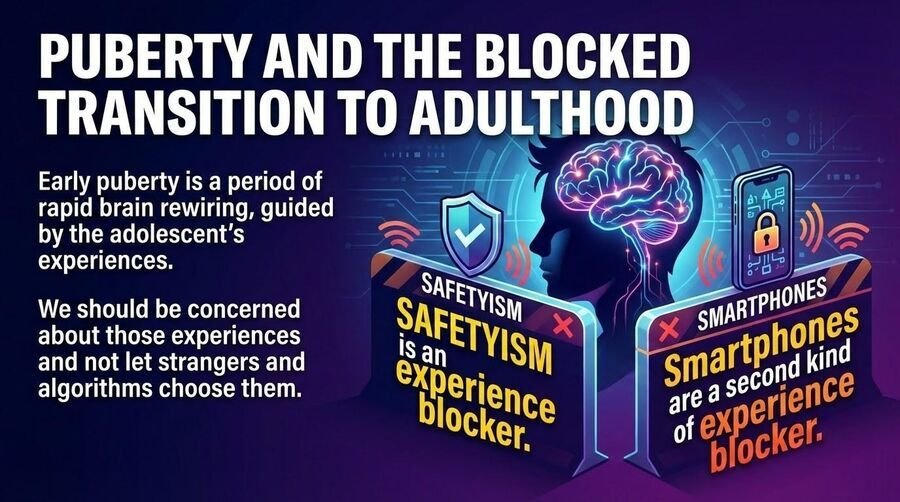

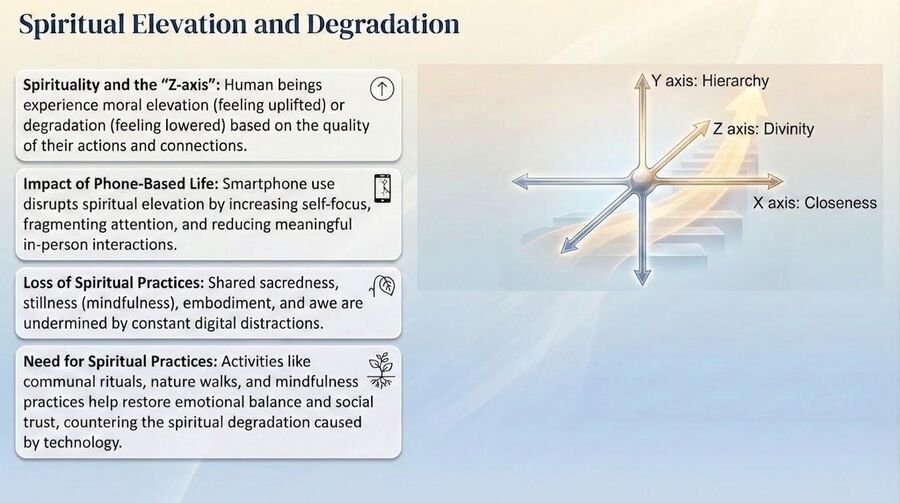
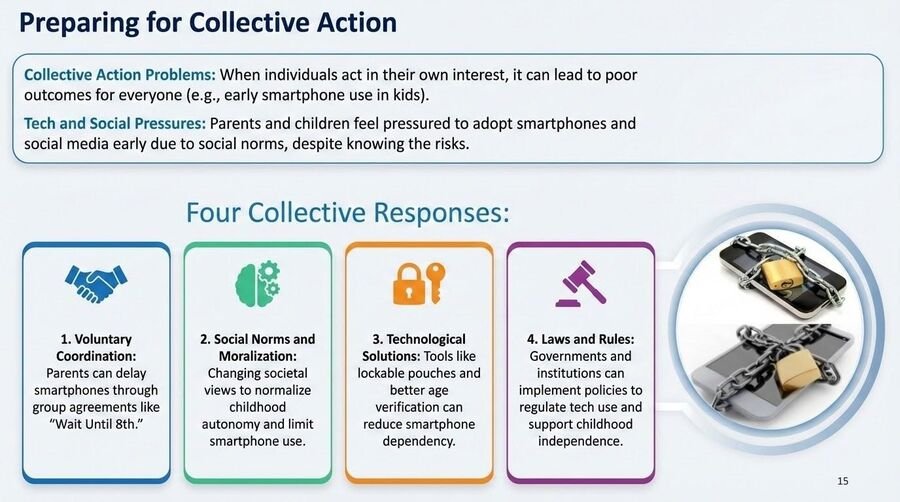
Here's a subtlety the "it's not proven" camp sometimes misses, and the "it's proven" camp doesn't need. Haidt frames the situation as a collective-action problem. No single family wants to be the one that hands their 13-year-old a locked-down phone while every classmate is on the platform — the social cost of opting out alone is high. That trap is real whether or not the causal claim is fully proven, and it's why Haidt proposes coordinated norms rather than individual willpower.
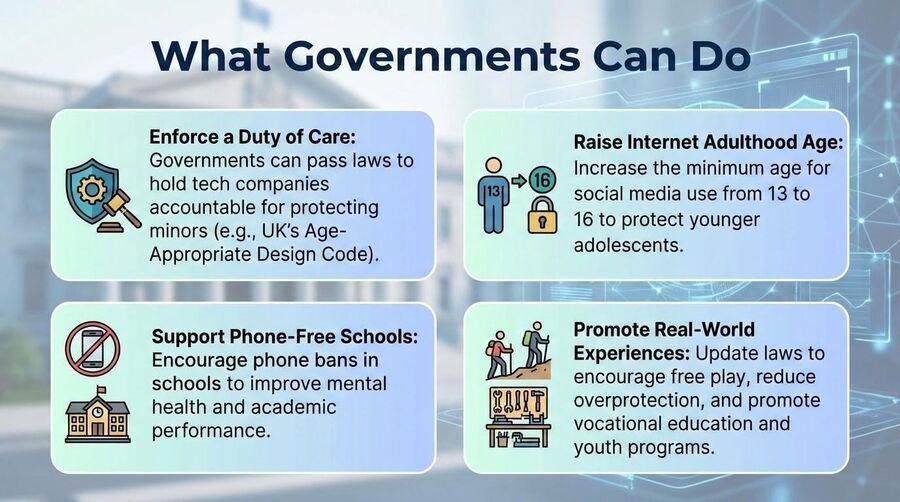
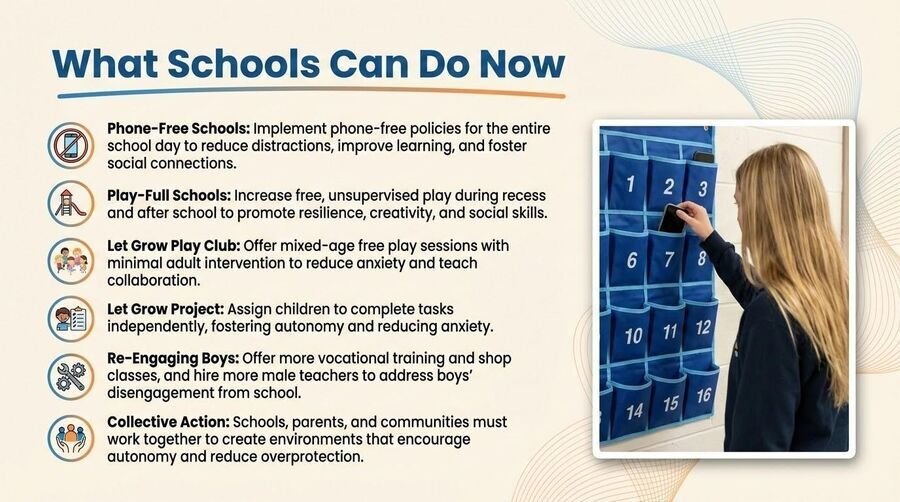
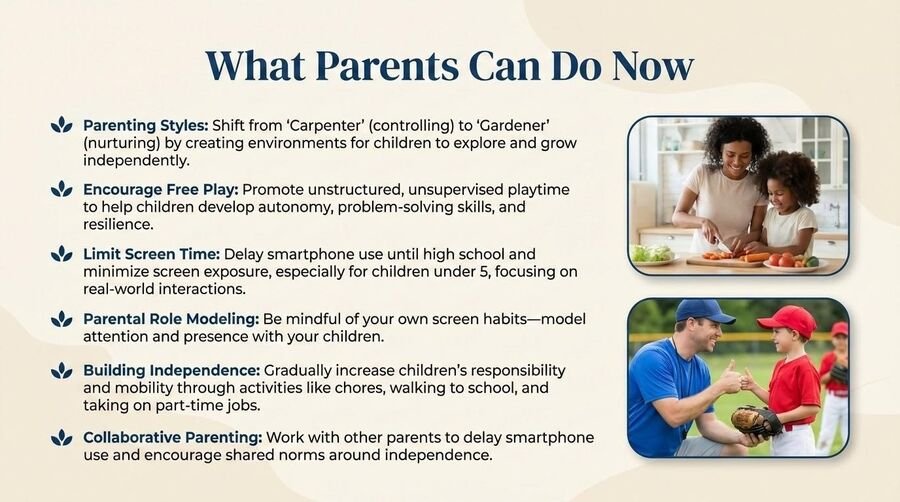
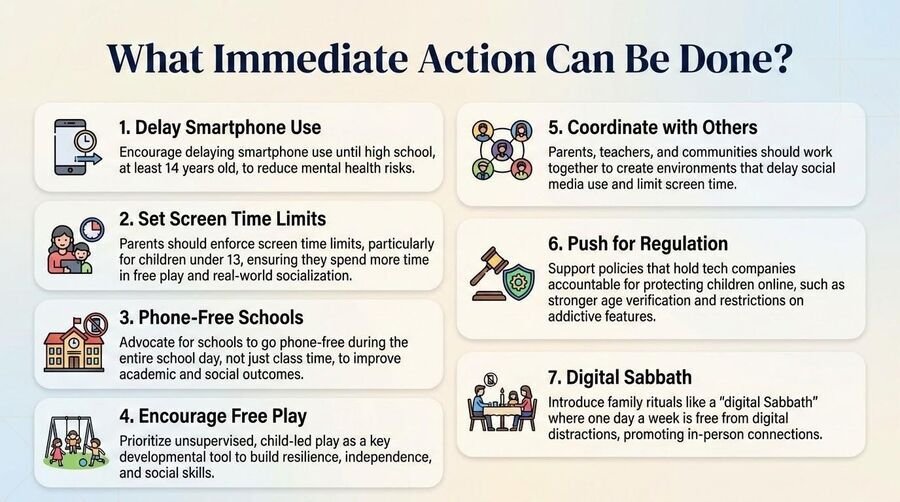
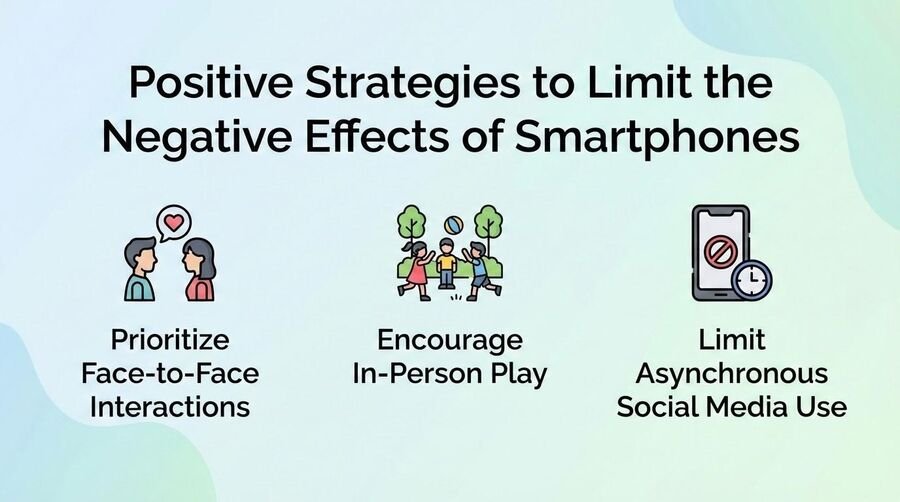
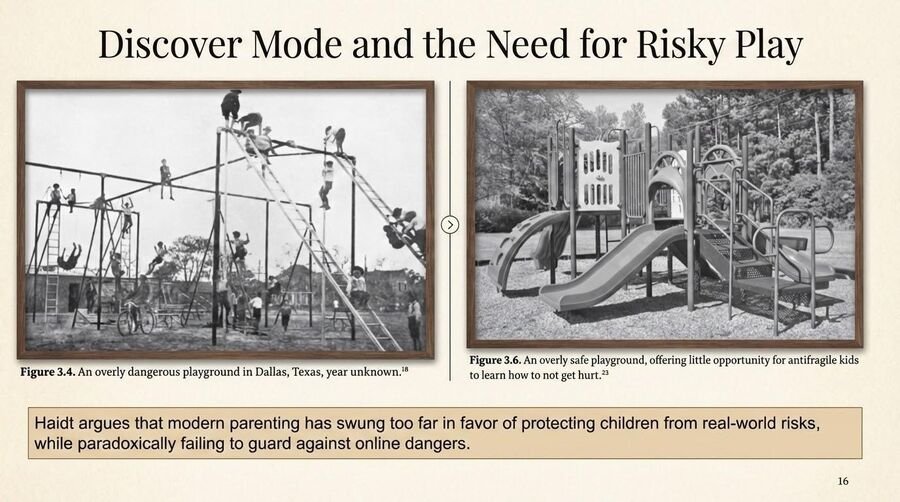
Haidt's proposed defaults are worth knowing as a policy proposal (not as established fact): (1) no smartphones before high school; (2) no social media before 16; (3) phone-free schools; (4) more independence, free play, and unsupervised responsibility in the real world. Notice these are structured to solve the collective-action problem — they only work if a community adopts them together. You can find the mechanisms plausible and the norms reasonable while still holding that the population-level causal claim isn't proven. Those positions are compatible; precaution under uncertainty is a defensible stance, not a contradiction.
Governments: Australia legislated an under-16 social-media ban (Nov 2024, phasing in) — the first national test of its kind. Schools: phone-free-school policies and trials are spreading (UK among them). Parents: the "wait until 8th" style pacts try to coordinate delayed phone-giving so no one family bears the opt-out cost alone. Treat these as experiments in progress, not verdicts. The most intellectually honest position right now is: the interventions are reasonable, and we will learn from watching them.
Framing note: policy details evolve; verify current status before citing specifics.
This unit hands threads to the rest of the course. The gendered vulnerability story connects to identity and body image; the sleep pathway connects to the biology unit; and the "is it addiction?" question previews the clinical-diagnosis care you'll need in Unit 9 (stress & substance use), where a real DSM construct sits next to a contested one. And the thread runs backward to Unit 7: among teens who have seen AI-generated sexual content, 82% encountered it on social media — the feed is the delivery system for that harm too (Mann et al., 2026). Same skill every time: separate the mechanism from the measurement.
The proposals, as slides