A quick orientation before we dig in. G. Stanley Hall gave adolescence its science in 1904; the Inventionist view gives it its origin story. Hold those two apart — one is a claim about biology, the other a claim about history — and most of this unit clicks into place.
A common mix-up here: treating "storm and stress" as simply wrong. It's not wrong — it's not universal. Hall over-generalized; he didn't hallucinate. Keep reading and I'll show you the modern version.
"Invented" doesn't mean "made up"






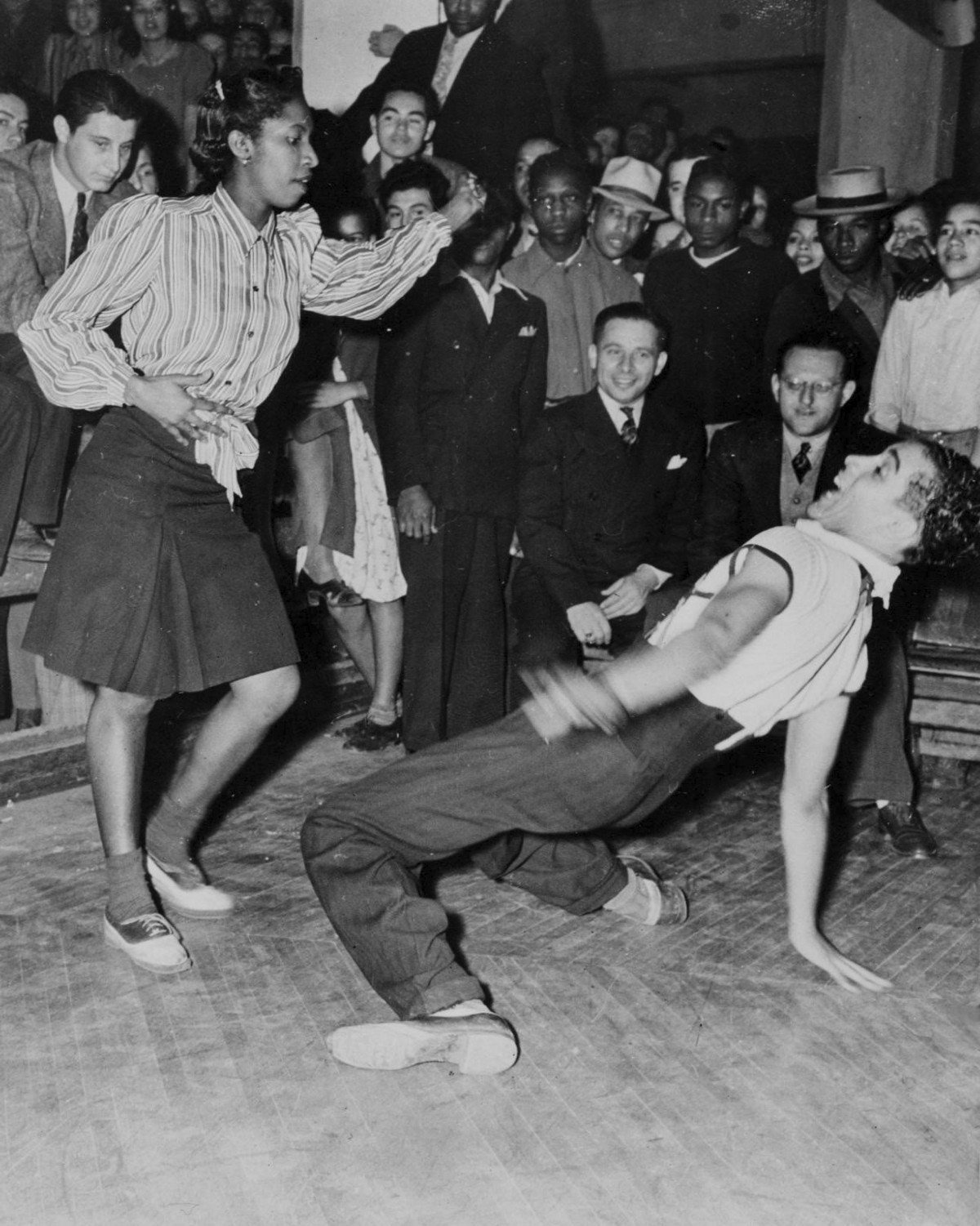


When historians call adolescence a sociohistorical invention, students sometimes hear "adolescence isn't real." That's the wrong takeaway. The biology of puberty is ancient and universal. What was invented — roughly between 1890 and 1920 in the industrializing West — was the social category: a protected, in-between stage where you're neither a working adult nor a dependent child, and where the culturally assigned job is school and identity-building rather than labor.
Three structural forces converged to build that category. None of them was about hormones:
Mandatory education laws kept 12–18-year-olds together, all day, sorted by age. For the first time a peer society existed with its own norms — the raw material of "teen culture."
The 1916 Keating-Owen Act and its successors pulled kids out of mills and mines. Removed from the adult economy, teens became economically dependent — a defining feature of the new stage.
Machines made unskilled child labor less valuable and skilled, credentialed labor more valuable. Society could now afford to keep young people out of work — and had reason to keep them in training.
Once you see the mechanism, you can run the same logic forward — which is exactly what modern researchers did.
The stage that came after adolescence: emerging adulthood. In 2000, Jeffrey Arnett argued that industrialized societies had quietly invented a second new stage — roughly ages 18–29 — through the same forces: longer education, later marriage, later financial independence. He called it emerging adulthood, marked by identity exploration, instability, self-focus, feeling "in-between," and a sense of open possibility. Notice this is the Inventionist argument applied to the stage you're living in right now. (Fair critique: the model fits WEIRD, middle-class samples best; it travels less well across cultures and social classes.)
Storm & stress, the modern version
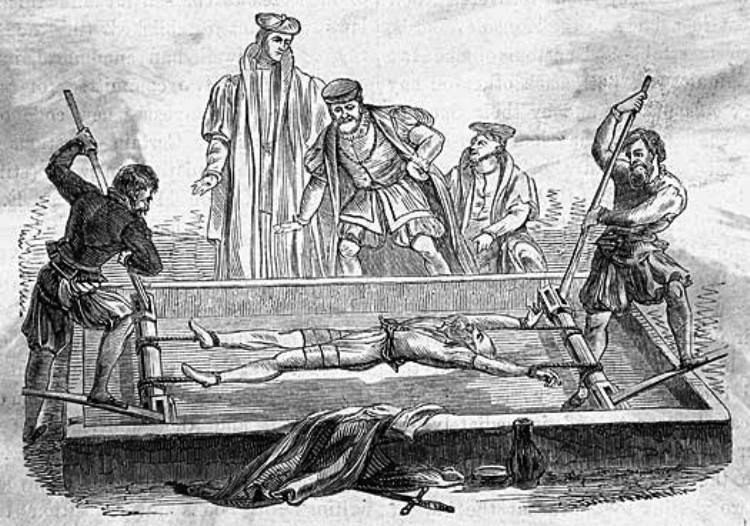
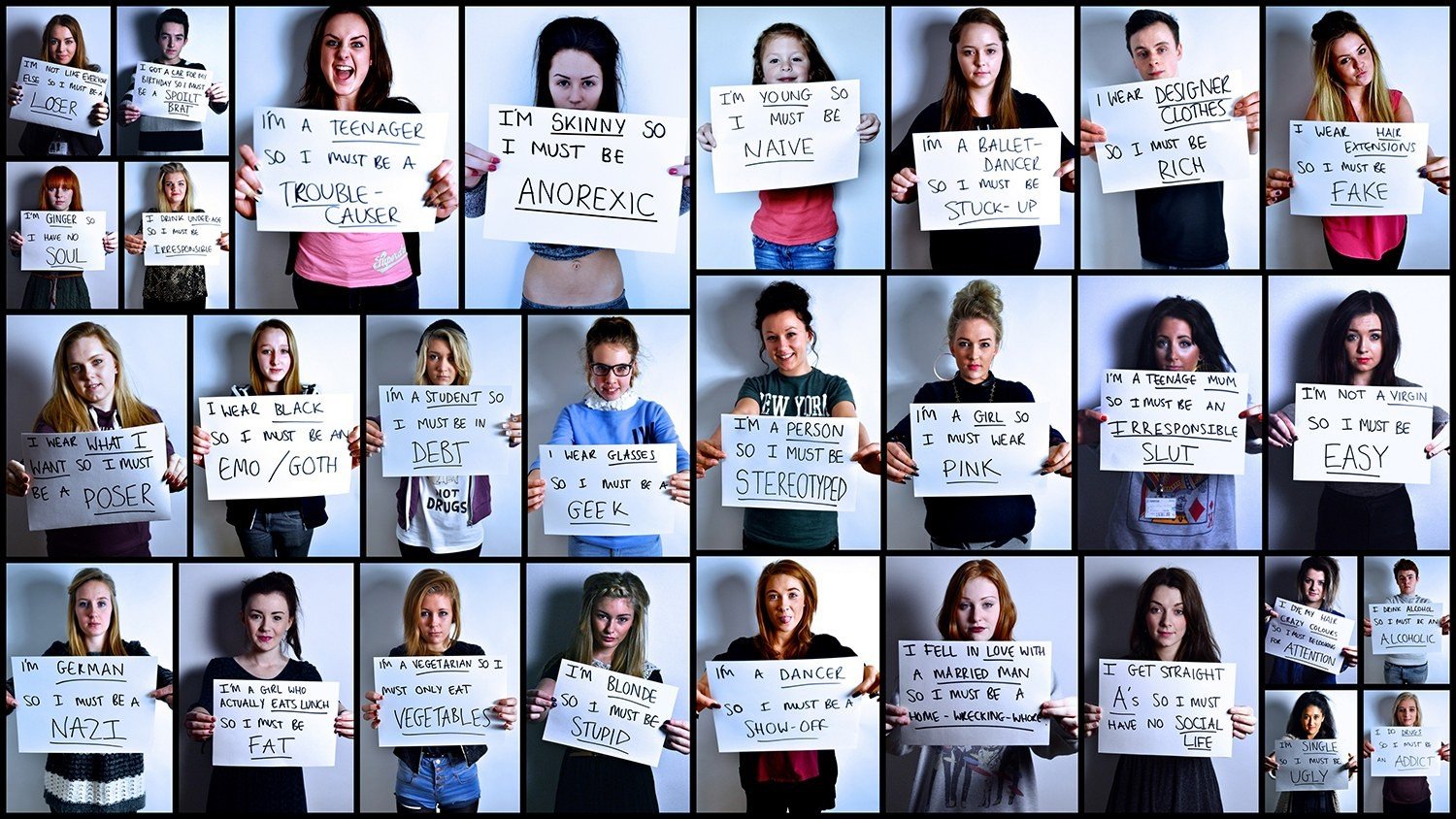

Hall (1904) described adolescence as a period of inevitable turmoil — "storm and stress" borrowed from the German Sturm und Drang. Margaret Mead's Samoan fieldwork (1928) pushed back: if a culture makes the transition gradual, she argued, the turmoil largely disappears. (Her data were later sharply criticized by Derek Freeman in 1983 — a landmark episode in anthropology's own reckoning with replication.)
So who was right? Arnett's (1999) reconciliation is the answer the research points toward: storm and stress is real but not universal, and comes in three flavors, each of which some — not all — adolescents experience:
Bickering over autonomy rises in early adolescence — but it's usually about mundane things (chores, curfews), and warmth is typically preserved. Most families are not at war.
Adolescents report more emotional volatility and lower average mood than children or adults — but "more volatile" is not the same as "clinically depressed." Distinguishing the two is the whole point of Unit 10.
Sensation-seeking and risk-taking peak in adolescence. Unit 5 gives you the brain mechanism (an early-maturing reward system racing an still-developing control system).
Watch how the course threads together: the history unit hands "risk behavior" to the brain unit (5), "mood disruption" to the clinical unit (10), and "conflict with parents" to autonomy development. The arc isn't 11 islands — it's one story about the same person.
Interactive · Age effect or cohort effect?
Sort the cause
Developmental science distinguishes age effects (from getting older) from cohort effects (from the era you were born into). These get mixed up constantly. Pick the right label for each — the card turns green when you're right.
Why it matters: a cross-sectional study (comparing 16- and 40-year-olds at one moment) can mistake a cohort effect for an age effect. Only longitudinal designs untangle them — a preview of Unit 2.
Today's adolescents, by the numbers


The 2024–2025 figures here are striking. Here's the thing worth internalizing: these come from real surveillance systems, and knowing the source makes you a better reader of the number.
The vivid mental-health figures in this unit trace to the CDC's Youth Risk Behavior Survey (YRBS), a self-report survey of high-schoolers run every two years. Two habits of a careful reader: (1) these are reported experiences, sensitive to how questions are asked; and (2) the 2023 release showed the first improvement in ten years (persistent sadness 42%→40%; girls seriously considering suicide 30%→27%). A course that only tells the "everything is getting worse" story is now a year out of date.
Source: CDC, Youth Risk Behavior Survey 2023 (released Aug 2024).
Positive Youth Development (Lerner et al.) flips the old "adolescents as problems" frame into the Five Cs — Competence, Confidence, Connection, Character, and Caring. It's the difference between asking "what's wrong with teenagers?" and "what helps them thrive?" That reframe is the moral spine of this whole course.